
As crisp autumn air arrives along the Front Range, the upcoming time change can disrupt our internal body clocks. For those managing Sleep Apnea, even a one-hour shift can trigger fragmented nights, morning fatigue, and heightened airway resistance. Successfully adjusting sleep schedule autumn routines requires proactive preparation and steady habits. By implementing proven fall daylight savings sleep tips, we can protect our circadian rhythms, keep airway therapy aligned, and ensure our restorative rest remains uninterrupted. For anyone navigating sleep apnea, nights can feel especially challenging with dry, thinner air, making seasonal consistency vital.
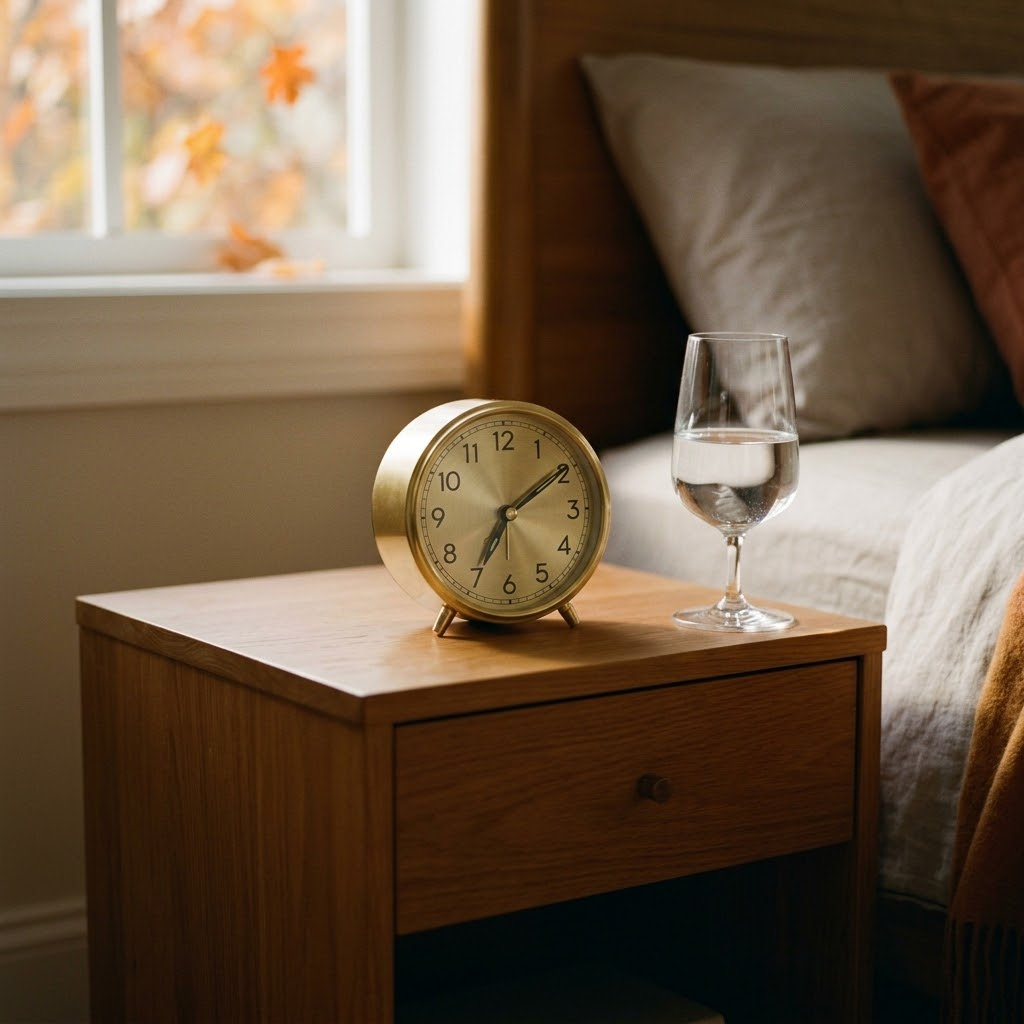
Shift Bedtimes Gradually Before Clocks Fall Back
We recommend moving your bedtime back by fifteen minutes each evening leading into the weekend transition. This gradual method eases the physical shock to your circadian rhythm, making it easier to adjust to autumn sleep demands. Maintaining steady bedtime habits helps keep your treatment seamless and reduces the grogginess often linked to unmanaged Sleep Apnea during abrupt seasonal clock shifts.
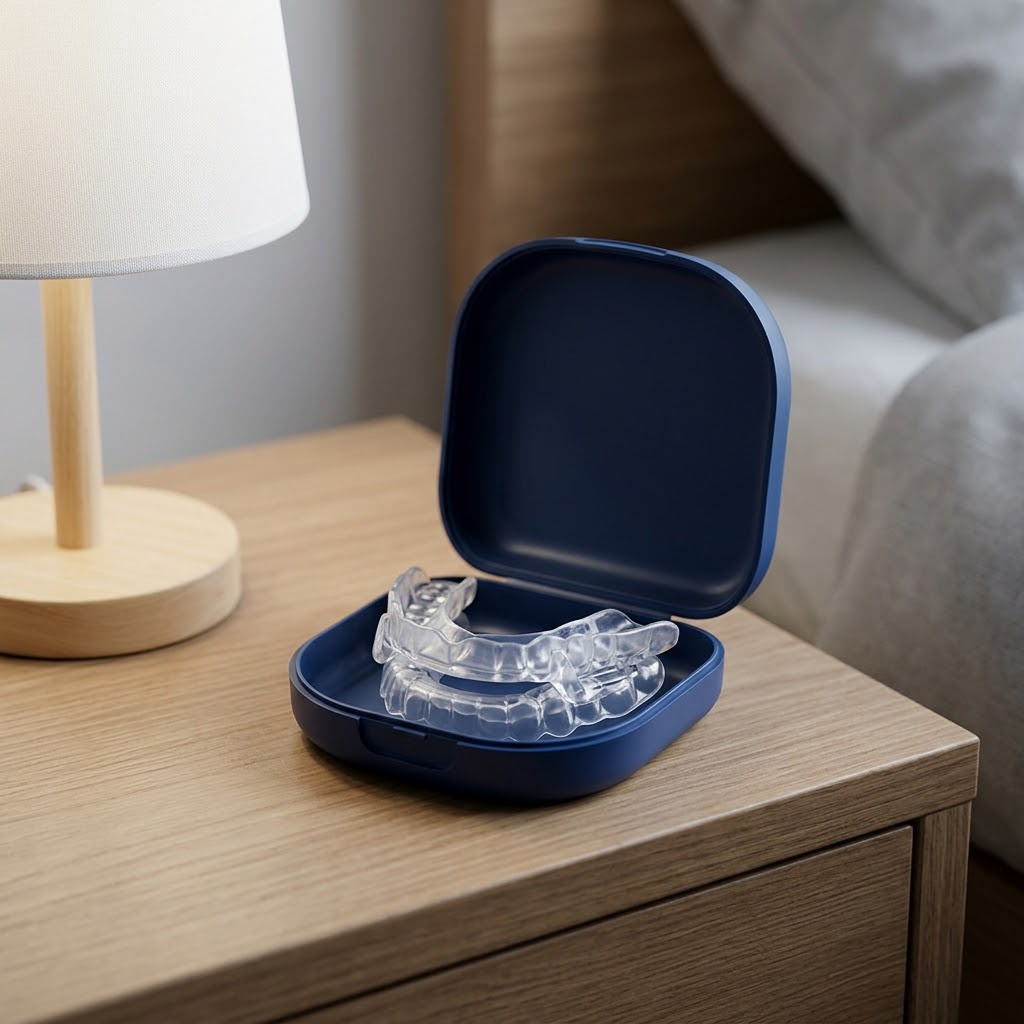
Maintain Treatment Consistency and Appliance Care
Consistent therapy is the cornerstone of refreshing sleep, especially during seasonal daylight adjustments. Whether you use CPAP or custom oral appliances, we encourage thorough daily cleaning and diligent nightly wear. As part of our essential fall daylight savings sleep tips, keeping your therapy intact prevents airway collapse and supports healthy breathing throughout longer, cooler autumn nights.

Leverage Morning Light to Anchor Circadian Rhythms
Morning sunlight provides the strongest signal to reset your neurological clock after the seasonal time change. We advise stepping outside into natural morning sunshine for twenty minutes immediately after waking. This simple habit curbs residual sleep inertia, enhances evening sleepiness, and supports natural breathing stability when managing complex airway health challenges across Colorado.
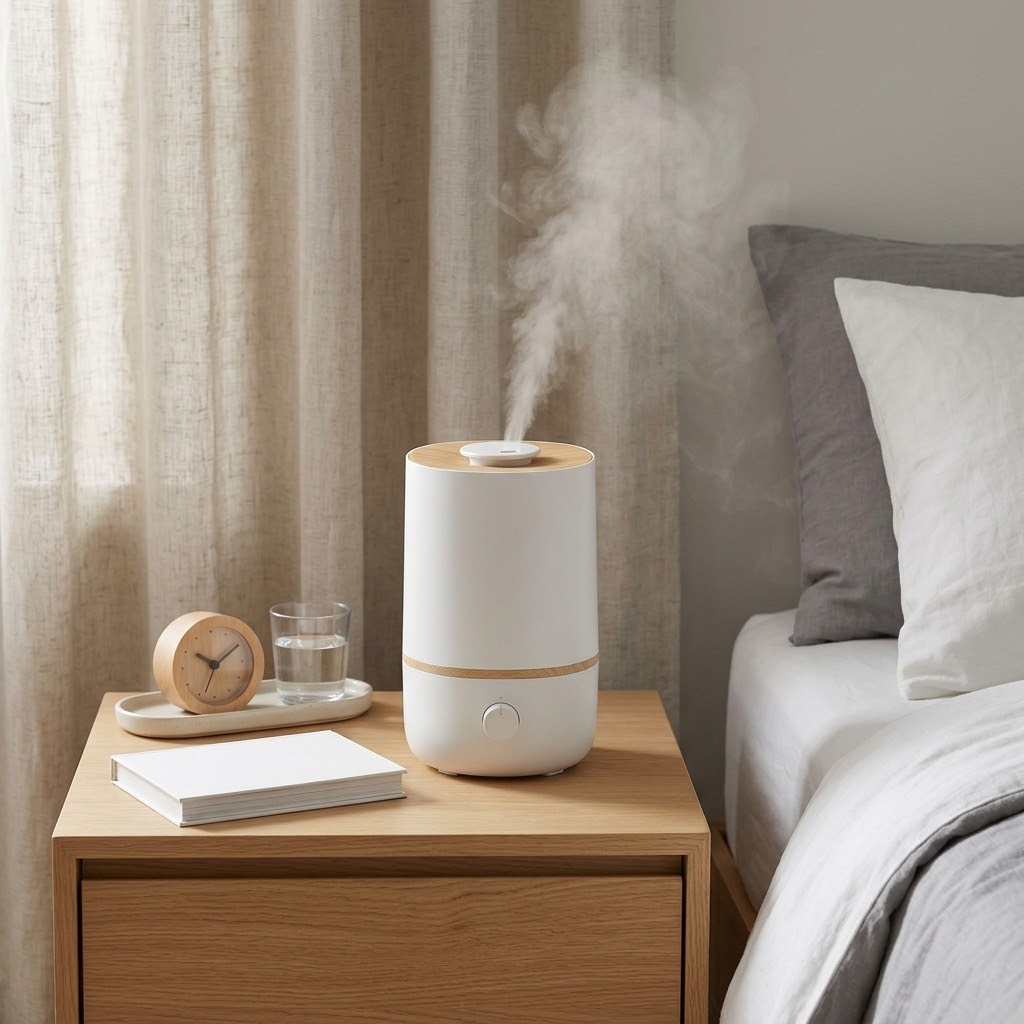
Optimize Your Bedroom Climate and Evening Routine
Cooler fall evenings can dry sensitive nasal passages, worsening airway resistance and snoring. We suggest keeping bedroom temperatures around 67 degrees and using a cool-mist humidifier. Establishing relaxing, screen-free wind-down rituals supports nighttime comfort and helps individuals coping with sleep apnea. Denver conditions can complicate this due to high-altitude dryness and fluctuating temperatures.
Navigating the autumn clock change doesn't have to compromise your restorative rest or leave you depleted during the day. By shifting your schedule gradually, getting adequate morning light, optimizing bedroom humidity, and maintaining steady airway support, you can smoothly embrace the new season. If you struggle with uncomfortable CPAP masks or ongoing sleep disruption, custom oral appliance therapy offers a comfortable, quiet alternative designed to keep your airway open naturally. At Sleep Center of Colorado, our dedicated team is committed to helping you discover lasting nighttime comfort and revitalized energy all year long. Take our quick online sleep quiz to assess your airway health, or reach out to schedule a complimentary screening to learn how personalized dental sleep solutions can transform your nights.