For many adults struggling with sleep, the continuous positive airway pressure (CPAP) machine is often presented as the primary solution. However, we at Sleep Center of Colorado understand that a CPAP machine isn't the right fit for everyone, or perhaps it hasn't delivered the restful sleep you desperately need. If you're feeling frustrated or looking for different approaches, it's important to know that effective alternatives exist to help you achieve a truly restorative night.

When CPAP Isn't the Answer
While CPAP therapy is a highly effective treatment for many cases of sleep apnea, it's not universally tolerated or successful. Some individuals find the mask uncomfortable, the noise disruptive, or the compliance challenging, leading to inconsistent use or abandonment of the therapy altogether. For others, even with consistent use, they may not experience the full benefits or find their specific sleep disorder requires a different approach. Recognizing these limitations is the first step toward exploring a broader range of solutions tailored to your unique needs.
Oral Appliance Therapy: A Discreet Alternative
One of the most common and effective non-CPAP solutions for mild to moderate sleep apnea, and sometimes even severe cases, is Oral Appliance Therapy (OAT). This involves wearing a custom-fitted device, similar to a mouthguard, while you sleep. The appliance works by gently repositioning your jaw and tongue to keep your airway open, preventing obstructions that lead to snoring and sleep apnea events. OAT offers a more portable, quieter, and often more comfortable option than CPAP, making it a preferred choice for many who struggle with mask intolerance or desire a less intrusive solution.
Lifestyle Adjustments and Positional Therapy
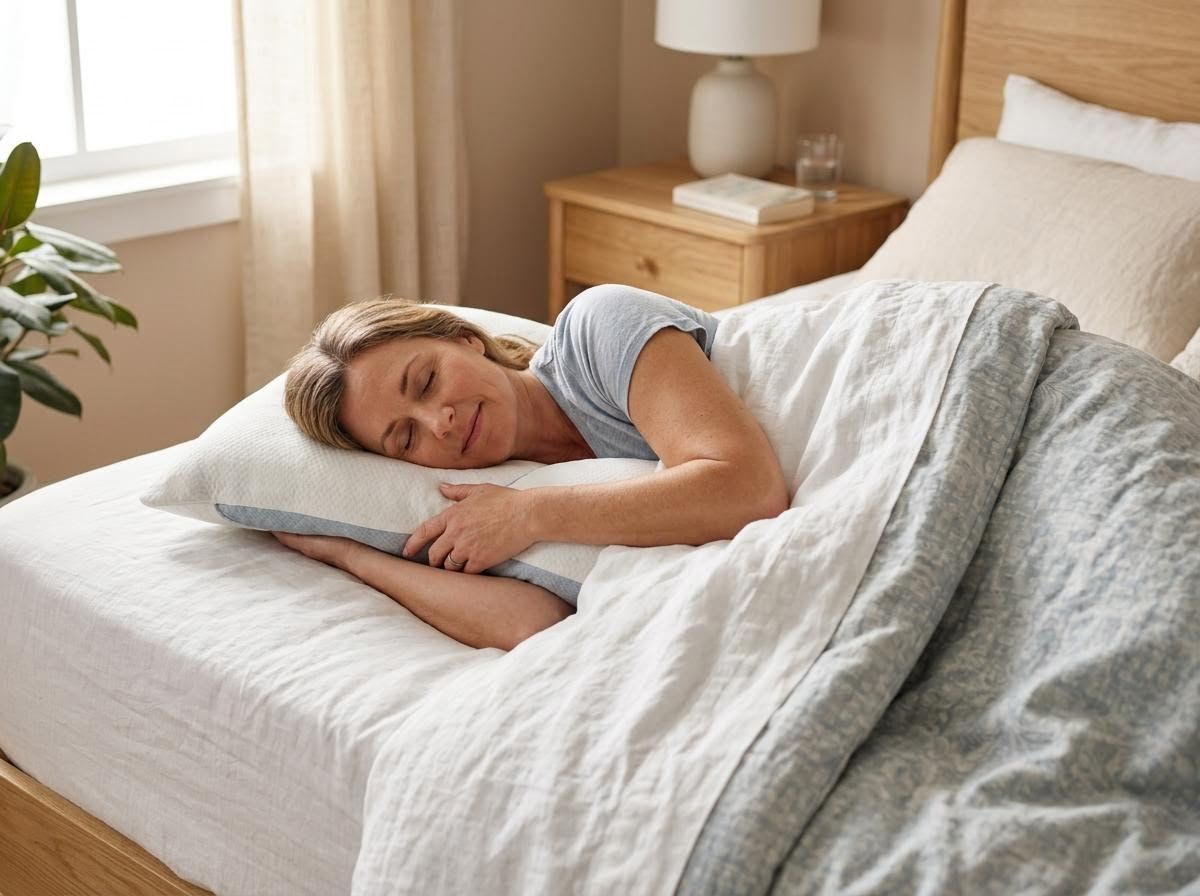
Beyond medical devices, simple yet impactful lifestyle changes can significantly improve sleep quality. Maintaining a healthy weight, avoiding alcohol and sedatives before bed, and establishing a consistent sleep schedule can all contribute to better sleep. For some individuals, their sleep apnea or snoring is exacerbated by sleeping on their back. Positional therapy involves strategies to encourage sleeping on your side, such as using special pillows or devices that prevent you from rolling onto your back. These non-invasive methods can be surprisingly effective, especially when combined with other treatments.
Exploring Advanced and Integrated Approaches
In some situations, a combination of therapies or more advanced interventions might be necessary. This could include exploring specialized diagnostic testing to uncover underlying issues not initially identified, or considering advanced procedures that target specific anatomical obstructions in the airway. Working with sleep specialists allows for a comprehensive evaluation to determine if issues like enlarged tonsils, nasal blockages, or other factors are contributing to your sleep struggles. A tailored treatment plan might integrate various methods to address all contributing elements, ensuring a holistic approach to your sleep health.
Achieving a restful night's sleep is crucial for your overall health and well-being, and it's important to remember that solutions extend beyond a single approach. If CPAP hasn't worked for you, or if you're exploring other options, don't lose hope. Sleep Center of Colorado is dedicated to helping you find the right path to restorative sleep by offering a comprehensive range of diagnostic and treatment options. We invite you to learn more about how our personalized care can help you reclaim your nights and revitalize your days.