

If you're reading this, chances are you're one of the many individuals experiencing a restless night and wondering how to achieve better rest. Improving your sleep quality doesn't always require drastic measures; often, small, actionable changes can make a significant difference starting tonight. At Sleep Center of Colorado, we understand the profound impact quality sleep has on overall well-being. Let's explore some immediate steps you can take to foster a more restorative sleep experience.
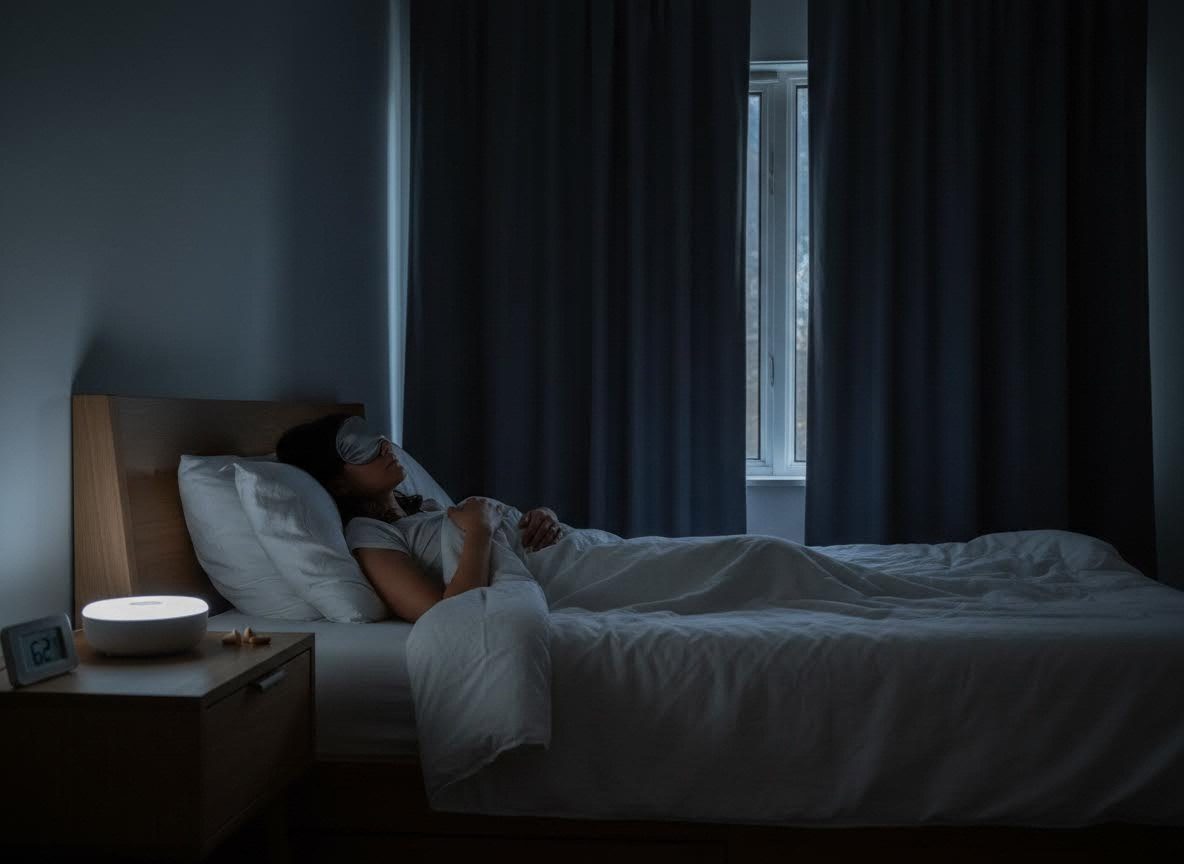
Craft Your Ideal Sleep Environment
Your bedroom should be a sanctuary for sleep, optimized to promote rest. First, ensure your room is as dark as possible. Even small amounts of light from electronics or outside streetlights can disrupt melatonin production, a hormone essential for sleep. Use blackout curtains or an eye mask if needed. Next, prioritize quiet; minimize noise distractions with earplugs or a white noise machine if necessary. Finally, keep your bedroom cool. Most experts recommend a temperature between 60-67 degrees Fahrenheit for optimal sleep, as it helps your body's natural temperature regulation.
Establish a Calming Evening Routine
Developing a consistent pre-sleep ritual signals to your body that it's time to wind down. About an hour before bed, disconnect from electronic devices like phones, tablets, and computers, as the blue light emitted can interfere with sleep. Instead, engage in relaxing activities such as reading a physical book, taking a warm bath, or practicing gentle stretches. Avoid heavy meals close to bedtime, opting for lighter snacks if hunger strikes. Consistency is key, even on weekends, to regulate your body's internal clock.

Mind Your Daytime Choices
What you do during the day significantly impacts your sleep quality at night. Be mindful of caffeine intake, especially in the afternoon and evening. Its stimulating effects can linger for hours, making it difficult to fall asleep. Similarly, alcohol might initially make you feel drowsy, but it often disrupts sleep later in the night. Regular physical activity can greatly improve sleep, but try to finish intense workouts a few hours before bed. If you must nap, keep it short (20-30 minutes) and early in the afternoon to avoid interfering with nighttime sleep.
Recognize When Professional Help is Needed
While these tips can offer immediate relief for many, sometimes poor sleep stems from underlying medical conditions. If you've tried various remedies and still find yourself struggling with persistent fatigue, loud snoring, or interrupted breathing during sleep, it might be time to seek expert evaluation. For those whose struggles point to more complex issues, perhaps where a cpap alternative is being sought, professional guidance is crucial. A comprehensive sleep study near me can accurately diagnose underlying conditions, guiding you towards effective sleep apnea treatment options. Consulting a sleep doctor Denver can provide specialized care and determine the best snoring remedy or other solutions for your specific needs.
Achieving consistent, high-quality sleep is fundamental to your overall health and well-being. While immediate adjustments to your environment and routine can provide some relief tonight, understanding the full scope of your sleep health is vital for long-term improvement. If you suspect an underlying condition or find that simple changes aren't enough, don't hesitate to explore specialized solutions. To learn more about comprehensive sleep assessments and personalized sleep apnea treatment options, explore the resources available through Sleep Center of Colorado.