

Struggling to achieve truly restorative sleep can impact every aspect of your life, leaving you feeling groggy, unfocused, and perpetually tired. While many individuals try common remedies, sometimes deeper insights and specialized approaches are necessary to truly transform their nights. At Sleep Center of Colorado, we understand the frustration of persistent sleep issues, especially when previous solutions haven't delivered the desired results. This post will explore seven proven strategies to significantly enhance your sleep quality.

Establish a Consistent Sleep-Wake Cycle
One of the most powerful tools for improving sleep quality is consistency. Our bodies thrive on routine, and maintaining a regular sleep schedule helps regulate our natural circadian rhythm, our body's internal clock. This means going to bed and waking up at roughly the same time each day, even on weekends. Irregular sleep patterns can confuse your body, making it harder to fall asleep and wake up feeling refreshed. Over time, a consistent schedule trains your body to expect sleep at a certain time, leading to more efficient and deeper rest.

Optimize Your Sleep Environment
Your bedroom should be a sleep sanctuary. Creating an ideal environment can significantly impact how well you rest. Ensure your room is dark, quiet, and cool. Even small amounts of light can disrupt melatonin production, a hormone essential for sleep. Use blackout curtains, earplugs, or a white noise machine to minimize disturbances. The optimal temperature for sleep is typically between 60 and 67 degrees Fahrenheit (15 and 19 degrees Celsius), as a cooler environment signals to your body that it's time to rest.

Mind Your Diet and Physical Activity
What you consume and how you move your body play crucial roles in your sleep patterns. Avoid heavy meals, caffeine, and alcohol close to bedtime. While alcohol might initially make you feel sleepy, it often leads to disturbed sleep later in the night. Regular physical activity, especially earlier in the day, can profoundly improve sleep quality. Aim for at least 30 minutes of moderate exercise most days of the week, but try to finish intense workouts several hours before you plan to sleep to allow your body to wind down.

Master Stress Management and Evening Rituals
Stress and anxiety are common culprits behind sleepless nights. Incorporating stress-reduction techniques into your daily routine can make a big difference. Consider practices like meditation, deep breathing exercises, or journaling to process thoughts and calm your mind before bed. Additionally, establishing a relaxing bedtime ritual signals to your body that it's time to prepare for sleep. This might include a warm bath, reading a book, or listening to soothing music, all designed to gently transition you from wakefulness to rest.
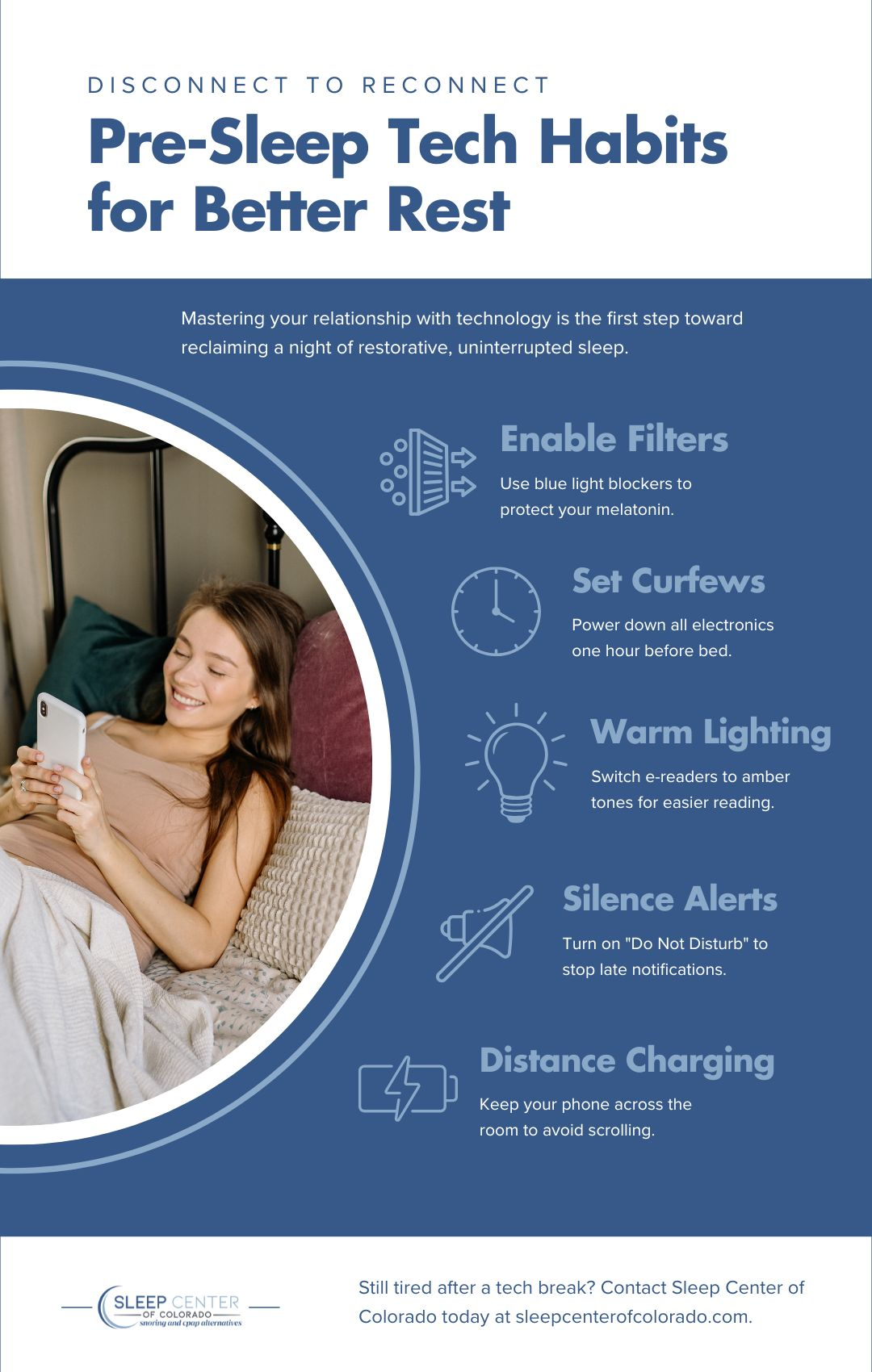
Limit Evening Screen Time
The blue light emitted from electronic devices like smartphones, tablets, and computers can interfere with your body's natural production of melatonin. This suppression of melatonin can make it harder to fall asleep and impact the quality of your rest. Aim to power down all screens at least an hour before bed. If evening screen use is unavoidable, consider using blue light filtering glasses or software to minimize the impact.

Evaluate Your Bedding and Sleep Position
The quality of your mattress, pillows, and bedding can directly affect your comfort and support during sleep. An old, unsupportive mattress can lead to aches and pains, disrupting sleep. Similarly, the right pillow can help maintain proper spinal alignment. Additionally, consider your sleep position. While personal preference plays a role, certain positions can exacerbate issues like snoring or sleep apnea. Consulting with a professional can help identify if your sleep setup or position is contributing to your sleep challenges.
Know When to Seek Professional Guidance
While these tips can significantly improve sleep for many, some individuals face more complex sleep disorders. If you've tried various strategies and still struggle with persistent insomnia, excessive daytime sleepiness, or suspect an underlying condition like sleep apnea, it's essential to seek professional evaluation. A medical professional specializing in sleep can conduct thorough assessments, diagnose conditions, and recommend advanced treatment options beyond general lifestyle changes.
Achieving consistent, high-quality sleep is fundamental to overall health and well-being. By implementing these proven strategies, from optimizing your environment to adjusting your daily routines, you can make significant strides toward more restorative nights. If you find that these adjustments aren't enough, or if you suspect an underlying sleep disorder, don't hesitate to explore further options, including sleep apnea treatments. Sleep Center of Colorado offers comprehensive evaluations and personalized solutions designed to address even the most challenging sleep issues. To learn more about how we can help you reclaim restful sleep, we invite you to contact our team today.